Your Client Resource Centre
Expert, honest guides to help you choose the right trainer, set the right goals, and avoid the most common expensive mistakes people make when starting their fitness journey.
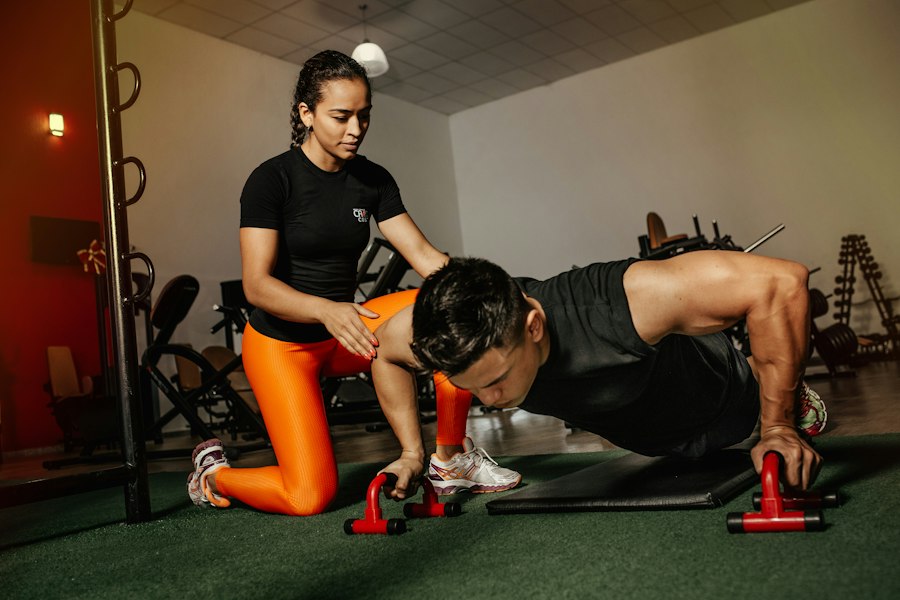
How to Choose a Trainer and Not Throw Money Away: 5 Key Criteria
Every year, thousands of people in the UK invest in personal training sessions only to feel deeply underwhelmed after the first month. The trainer seemed enthusiastic during the trial session, the gym looked great, and the brochure promised transformational results — but after eight sessions nothing meaningful has changed. This experience is frustratingly common, and it's almost always avoidable with the right research process upfront.
The fitness industry in the UK is largely self-regulated. While organisations like REPs, CIMSPA, and ukactive set qualification standards, there is no mandatory licensing requirement to call yourself a personal trainer. This means the range of competence and professionalism across practitioners is enormous. Using the following five criteria will help you filter the excellent coaches from the mediocre ones — before you commit your time and money.
1. Verify Qualifications and Insurance — Don't Just Ask, Ask for Evidence
Any legitimate personal trainer should hold a minimum Level 3 qualification in Personal Training. In the UK this is typically delivered through qualifications like NASM, ACE, Level 3 Certificate in Personal Training from VTCT or YMCA, or a degree in sports science. If a trainer's speciality involves specific populations — rehabilitation, older adults, pre/postnatal — they should hold additional certifications relevant to that work.
Beyond the qualification, ask to see proof of public liability insurance. A trainer working with clients without insurance is a significant red flag. All AeroSport-verified trainers upload their qualification and insurance certificates directly to their profile, which you can view before making any booking decision.
2. The Initial Consultation Should Be an Assessment, Not a Sales Pitch
A quality trainer uses the initial session to gather information, not to sell you an expensive package. During a legitimate consultation, expect the trainer to conduct a movement screen, ask detailed questions about your medical history (particularly injuries, conditions, and medications), discuss your lifestyle (sleep, stress, nutrition, work schedule), and establish specific, measurable short-term and long-term goals. If a trainer skips the assessment and immediately proposes a 20-session package, treat this as a warning sign.
3. The Programme Must Be Individualised and Written Down
Your training plan should be specifically designed for you — not a recycled template with your name added. Ask any prospective trainer how they structure programming. The answer should include references to periodisation (how the training load changes over weeks), progression strategies, deload weeks, and how they account for your current fitness level, injury history, and lifestyle constraints. A good trainer will produce a written programme before your second session.
4. Communication Style and Availability Outside Sessions
The value of a personal trainer extends beyond the hour you spend together each week. Ask prospective coaches how they handle questions between sessions, how quickly they typically respond to messages, and whether they review technique videos you send them. Coaches who go silent outside of booked sessions leave clients without the accountability and support that often makes the difference between adherence and dropout.
5. Evidence of Real Results with Real People Who Are Like You
Ask to speak with two or three of the trainer's current or recent clients. Read reviews carefully — not just the rating but the detail. Reviews that describe specific results, name specific training approaches, and mention how the trainer handled challenges or setbacks are far more reliable than generic five-star comments. AeroSport publishes verified post-session reviews that are attached to real bookings, so you can trust the feedback you read.
✅ Checklist: 10 Questions to Ask Your Trainer Before Booking

How to Choose a Specialist Trainer for Your Specific Goal
One of the biggest mistakes new clients make when choosing a personal trainer is treating all coaches as interchangeable. The reality is that the skills, knowledge base, and methodological approach required to help a client lose 15 kg of body fat are meaningfully different from those needed to add 10 kg of muscle, rehabilitate a herniated disc, or prepare an athlete for a regional competition. Choosing a specialist — rather than a generalist — can dramatically accelerate your results.
Goal: Weight Loss and Body Composition
Sustainable weight loss is primarily a nutritional challenge supported by physical activity — not the other way around. A trainer working in this space should have robust knowledge of energy balance, macronutrient distribution, and behaviour change psychology, in addition to programme design. Look for coaches with additional qualifications in nutrition (at minimum a Level 3 Sports Nutrition certificate) and ideally experience working with clients who have metabolic conditions such as insulin resistance, hypothyroidism, or PCOS.
Be cautious of trainers who promise rapid weight loss through extreme calorie restriction or excessive cardio. Evidence-based body composition coaching focuses on preserving muscle mass while reducing fat through a modest calorie deficit, progressive resistance training, and sustainable lifestyle habits. Results should be measured not just by the scale but by body composition scans, measurements, and how you feel and function day to day.
Goal: Building Muscle and Strength
Hypertrophy and strength training are distinct disciplines with significant overlap. The physiological mechanisms underpinning muscle growth — mechanical tension, metabolic stress, and muscle damage — require a specific training approach involving appropriate load selection, volume, frequency, and rest periods. A strength coach should demonstrate proficiency in the key barbell movements (squat, deadlift, bench press, overhead press, row) and understand how to teach these safely to clients at all levels.
If you're interested specifically in competitive powerlifting, Olympic weightlifting, or strongman, look for coaches who have competed in or coached within those specific disciplines. The technical nuances of competition preparation — peaking, attempts strategy, equipment selection — are genuinely specialist knowledge that most general PTs simply don't possess.
Goal: Back Health and Rehabilitation
Chronic lower back pain affects approximately 80% of the population at some point in their lives and is the leading cause of disability in the UK. It is also one of the most misunderstood and mismanaged conditions in the fitness space. Trainers working with clients recovering from back injuries should hold physiotherapy qualifications or specialist exercise rehabilitation certifications (such as NASM CES, Level 4 Lower Back Pain, or FMS). They should work collaboratively with any treating physiotherapist or GP and avoid the dangerous extremes of both excessive rest and inappropriate loading.
Key red flags when looking for back health coaches: any trainer who dismisses pain as "weakness", prescribes high-volume sit-ups or spinal flexion exercises for lower back patients without proper assessment, or claims to be able to "fix" structural issues through exercise alone without medical involvement. Evidence-based back rehabilitation is gradual, systematic, and should include education about pain science as well as movement training.
Quick Reference: Trainer Types by Goal
Look for: Level 3 PT + Nutrition cert · Behaviour change experience · Body composition focus
Look for: Barbell coaching background · Periodisation knowledge · Competition experience
Look for: Physio background or Level 4 specialist · FMS / CES cert · Conservative approach
Look for: Sport-specific background · S&C qualification · Periodisation for competitive schedule

Fitness Mentor or Drill Sergeant: How to Find a Trainer Who Matches Your Temperament
Technical qualifications matter enormously when choosing a personal trainer — but they're not the only thing that matters. The relationship between client and coach is intimate, emotionally loaded, and fundamentally interpersonal. You will be vulnerable with this person: sharing your insecurities about your body, struggling in front of them, asking what might feel like "stupid" questions, and spending extended time in their company week after week. Whether that experience feels empowering or demoralising depends largely on whether you chose a coaching style that's compatible with your personality.
The High-Discipline Coach
Some clients thrive under a coach who is demanding, direct, and results-oriented. They want to be pushed beyond what they'd do on their own, told clearly when their technique is wrong, and held strictly accountable to their commitments. For these clients, a coach who softens feedback or accommodates missed sessions too easily feels like a waste of money. High-discipline coaches often come from military, competitive athletics, or combat sports backgrounds. They deliver fast results for clients who share their values of rigour and accountability — and can be demoralising for clients who don't.
The Supportive Mentor
Other clients — particularly those who are new to exercise, dealing with body image issues, returning after illness, or managing anxiety — need a coaching relationship built on patience, encouragement, and psychological safety before they can perform physically. For these clients, a trainer who prioritises connection, celebrates small wins, and adjusts intensity based on daily mood and energy will produce dramatically better long-term adherence than a "no excuses" approach that feels punishing.
How to Assess Compatibility Before Committing
Use the free trial session — which every AeroSport-listed trainer offers — specifically to assess the interpersonal fit. During and after the session, pay attention to how you feel emotionally, not just physically. Do you leave the session feeling energised and motivated, or stressed and uncomfortable? Does the trainer listen carefully when you express concerns, or do they dismiss them? Do they explain the rationale behind exercises, or simply instruct you to perform them without context? Can you imagine spending time with this person weekly for six months and still feeling positive about it?
If the answer to any of these questions gives you pause, trust that instinct and try another coach. The beautiful thing about AeroSport is that with 1,200+ trainers on the platform, you are never locked in. The right fit exists — it just takes a little searching to find it.
Ready to Find Your Match?
Use our smart filters to find trainers who match your goals, schedule, and personality — then book a free trial session with no commitment.
Browse All Trainers